
Korean cafes are diverse in style, purpose, and atmosphere. Each type reflects a specific way people use cafes in daily life, whether for focus, socializing, visual inspiration, or quiet rest.
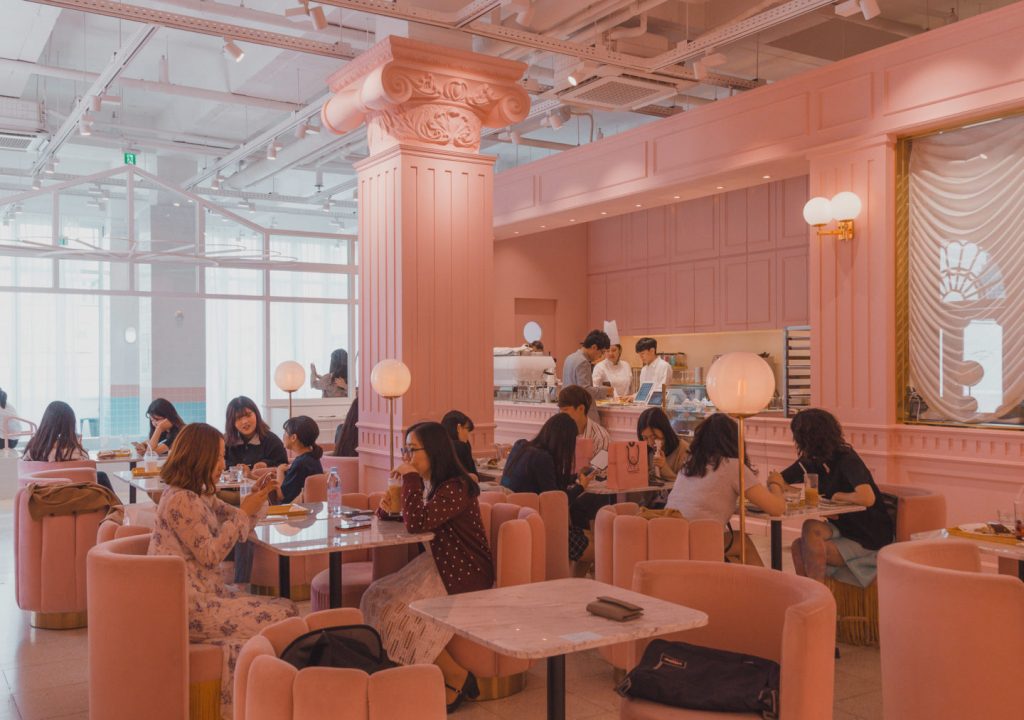
This guide introduces the most common and culturally significant types of cafes found across South Korea.
Minimalist Cafes
Minimalist cafes emphasize simplicity and calm. Interiors often feature concrete, wood, stone, and neutral color palettes. Natural light and open space are key elements.
These cafes are popular among creatives, remote workers, and those seeking a quiet environment. Music is usually soft, and seating is designed to encourage longer stays without distraction.
Hanok Cafes
Hanok cafes are located in traditional Korean houses. These cafes preserve original architectural elements such as wooden beams, tiled roofs, sliding doors, and courtyards.
They offer a unique experience where traditional Korean space meets modern cafe culture. Hanok cafes are especially common in historic neighborhoods and provide a slower, more reflective atmosphere.
Dessert and Bakery Cafes
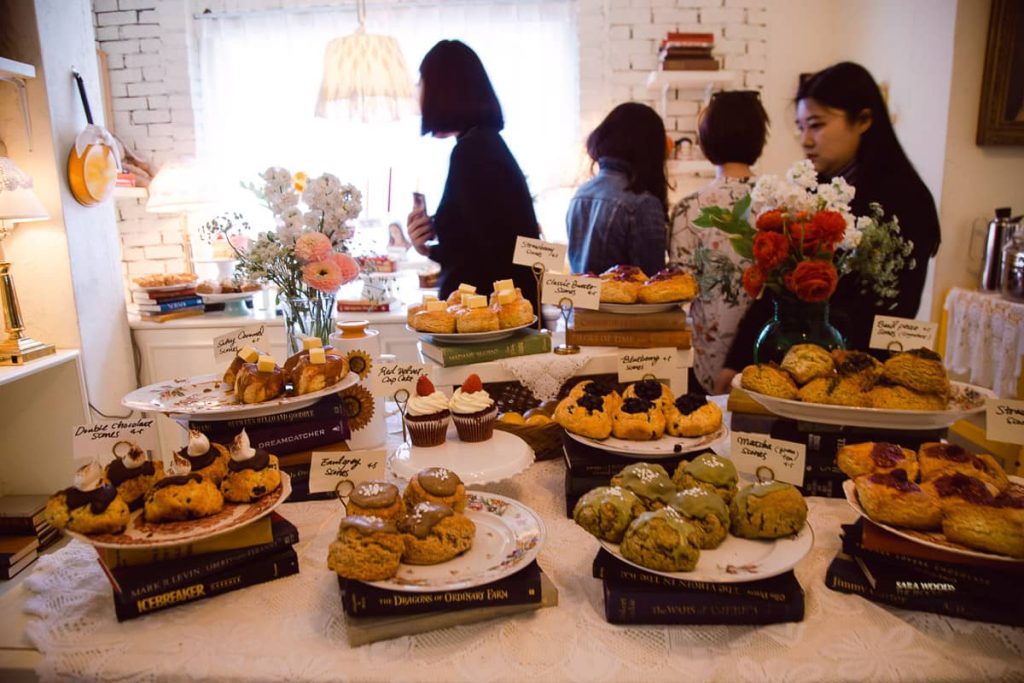
Dessert cafes play a central role in Korean cafe culture. Many cafes focus primarily on cakes, pastries, and desserts rather than coffee alone.
Presentation is highly important, and desserts are often crafted to match the cafe’s aesthetic. These cafes are popular destinations for social visits and photography.
Rooftop and View Cafes
Rooftop and view cafes highlight their surroundings. In cities, they offer skyline views, while coastal and island cafes focus on nature and landscape.
These cafes are often visited as destinations rather than casual stops and are especially popular on weekends and during seasonal travel periods.
Concept and Themed Cafes
Concept cafes are built around a clear visual or cultural theme. This may include art installations, brand collaborations, seasonal designs, or storytelling-based interiors.
Every element — from menu design to furniture — supports the overall concept, creating a cohesive experience.
Study and Work Cafes

Some cafes are designed specifically for studying or working. These spaces prioritize quiet environments, power outlets, large tables, and stable Wi-Fi.
In certain cases, time limits or minimum orders may apply. These cafes reflect Korea’s strong study and work culture.
Neighborhood Cafes
Neighborhood cafes serve local communities. They are often small, independently owned spaces where regular customers return daily.
These cafes focus less on trends and more on comfort, routine, and familiarity, making them an important part of everyday life.
Seasonal and Pop-Up Cafes
Seasonal and pop-up cafes appear for limited periods, often tied to holidays, brand promotions, or cultural events.
They offer unique menus and temporary designs, encouraging visitors to experience something new and time-specific.
Understanding Cafe Diversity in Korea
The variety of Korean cafes reflects how deeply cafes are integrated into everyday life. Each type offers a different rhythm, purpose, and atmosphere.
Understanding these categories helps visitors and readers experience Korean cafe culture with greater awareness and appreciation.