
Minimalist cafe design is one of the most recognizable elements of Korean cafe culture. These spaces are not designed only to look clean or modern. They are created to influence how people feel, move, and behave within the environment.
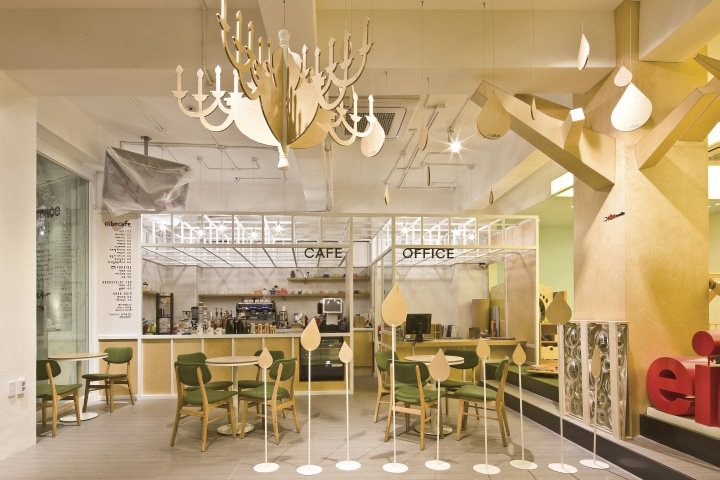
Through simplicity and restraint, minimalist cafes shape mood in quiet but powerful ways.
Reducing Visual Noise
Minimalist cafes remove unnecessary elements. Walls are often left bare, color palettes are neutral, and decorative objects are limited.
This reduction of visual noise allows the mind to settle. Visitors feel less distracted and more present, making it easier to focus, relax, or observe.
Space and Movement
Open layouts and uncluttered walkways influence how people move through a cafe. Movement becomes slower and more deliberate.
When space is clearly defined and not overcrowded, visitors naturally become more aware of others, resulting in calmer shared behavior.
Light as a Design Element
Natural light is central to minimalist cafe design. Large windows and simple window treatments allow light to shift throughout the day.
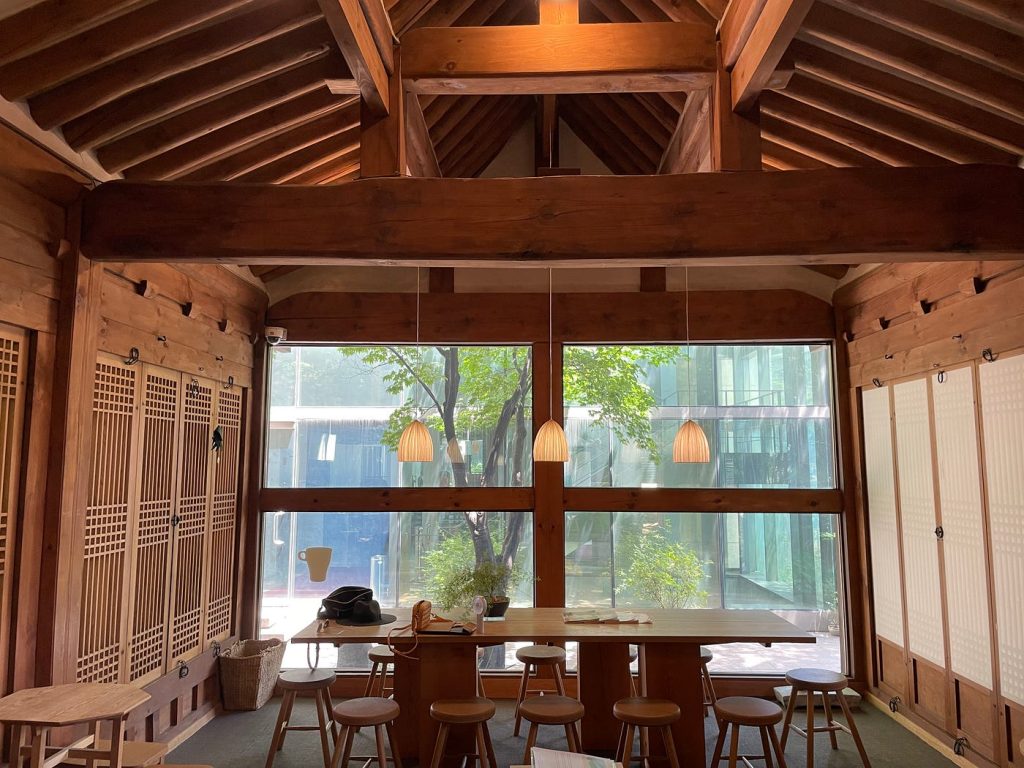
This changing light marks the passage of time and subtly encourages longer, more mindful stays.
Materials That Create Calm
Minimalist cafes often use natural materials such as wood, stone, concrete, and fabric. These materials feel grounded and neutral.
Their textures add warmth without visual excess, creating a sense of balance between comfort and simplicity.
Sound and Silence
Design influences sound as much as visuals. Minimalist interiors absorb noise, and background music is usually soft.
As a result, people speak quietly and become more aware of their own presence within the space.
Furniture and Posture
Furniture in minimalist cafes is chosen carefully. Chairs and tables are comfortable enough for long stays but not overly relaxed.
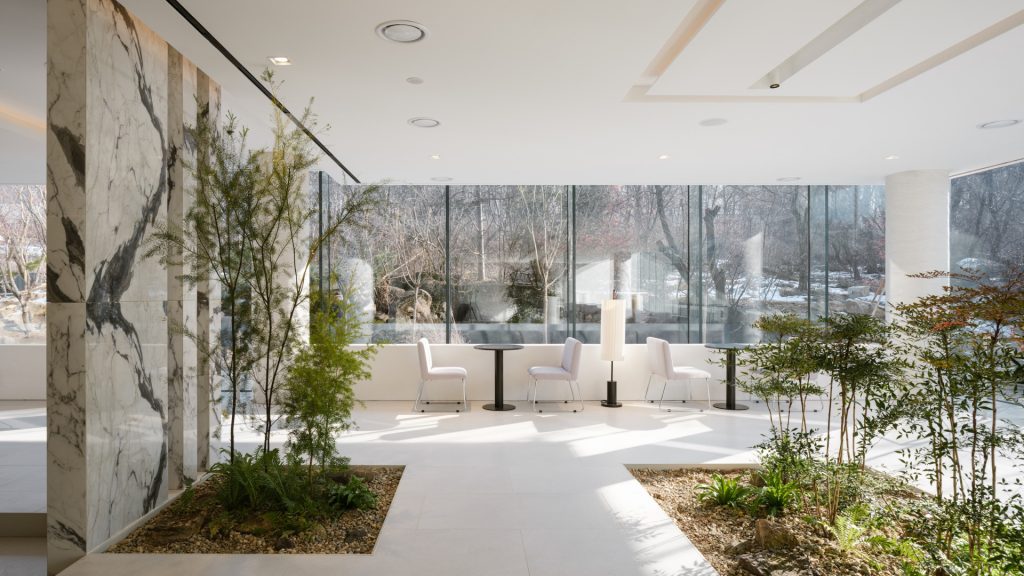
This balance encourages focus without creating urgency, supporting both work and rest.
Emotional Impact of Simplicity
Simplicity creates emotional clarity. When a space is free from excess, visitors feel less pressured and more at ease.
Minimalist cafes offer relief from constant stimulation, allowing people to reset mentally.
Behavior Shaped by Design
In minimalist cafes, behavior often mirrors the environment. Visitors speak softly, move gently, and spend time intentionally.
Design quietly sets expectations without the need for signs or rules.
Minimalist Cafes as Cultural Spaces
In Korea, minimalist cafes reflect a broader cultural appreciation for balance, restraint, and atmosphere.
They show how design can guide behavior subtly, shaping everyday experiences through thoughtful simplicity.