
In South Korea, cafes function as more than places to drink coffee. They act as third spaces — environments that exist between home and work, offering comfort, structure, and social connection.
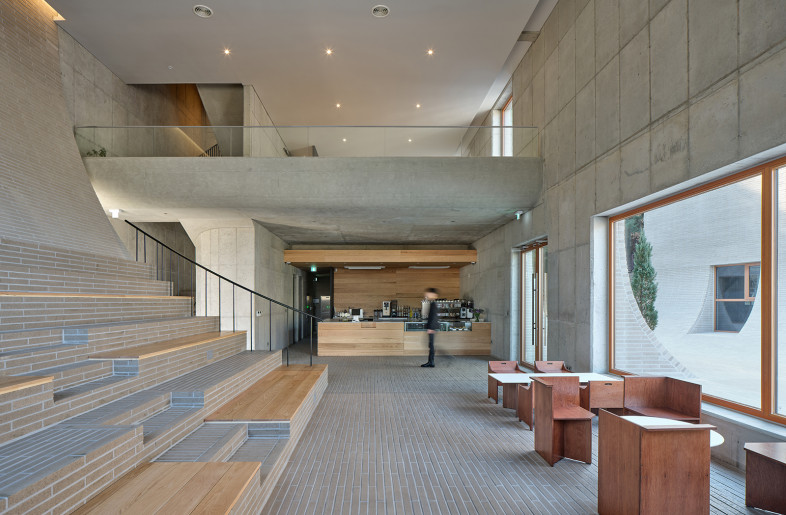
These spaces play a quiet but essential role in everyday life.
Understanding the Idea of Third Spaces
A third space is a place separate from home and workplace where people can spend time without obligation.
In Korean cities, cafes fulfill this role by providing accessible, welcoming environments where people can stay without pressure.
Why Cafes Became Third Spaces in Korea
High population density, long work hours, and small living spaces have shaped how people use public environments.
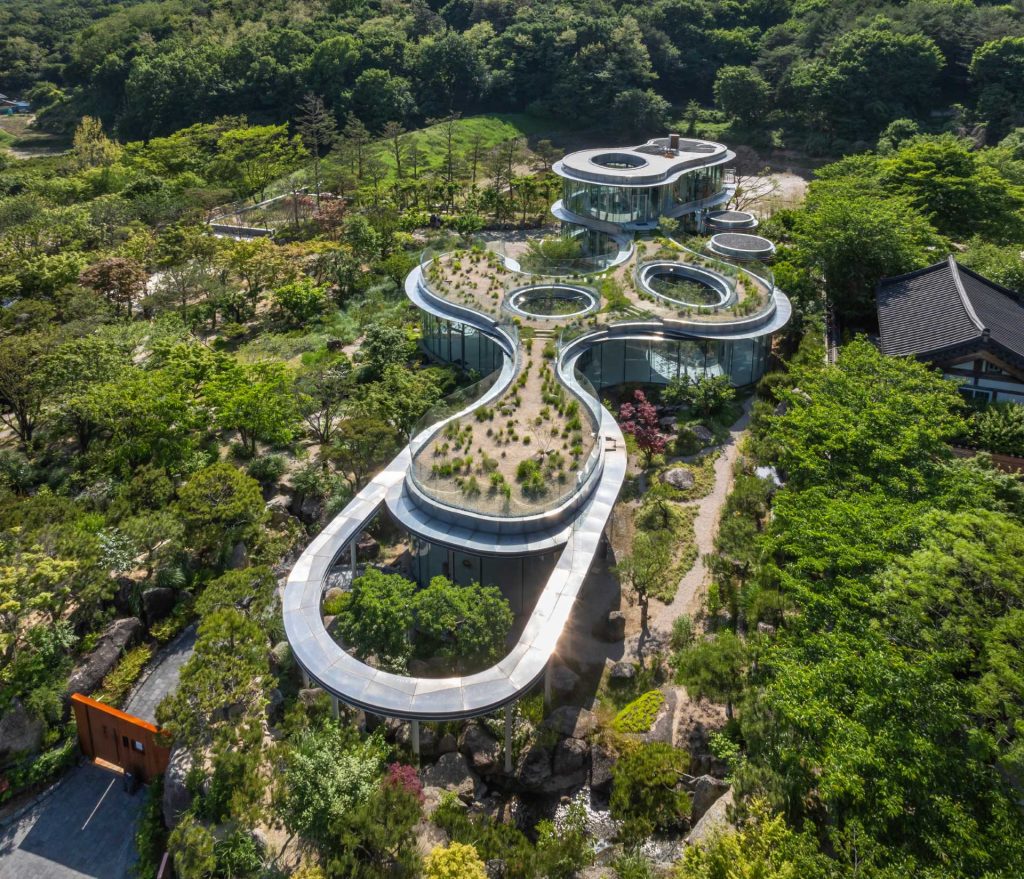
Cafes offer personal space within shared settings, making them ideal third spaces in urban life.
Solitude Within Shared Spaces
Many people visit cafes alone. They read, work, listen to music, or simply sit quietly.
This form of solitude is socially accepted and respected, allowing individuals to be alone without feeling isolated.
Social Connection Without Commitment
Cafes support light social interaction. Friends meet without formal plans, conversations unfold naturally, and time is flexible.
There is no pressure to order full meals or leave quickly.
Neutral and Inclusive Environments
Cafes welcome people of different ages, professions, and routines. Students, workers, and retirees share the same space comfortably.
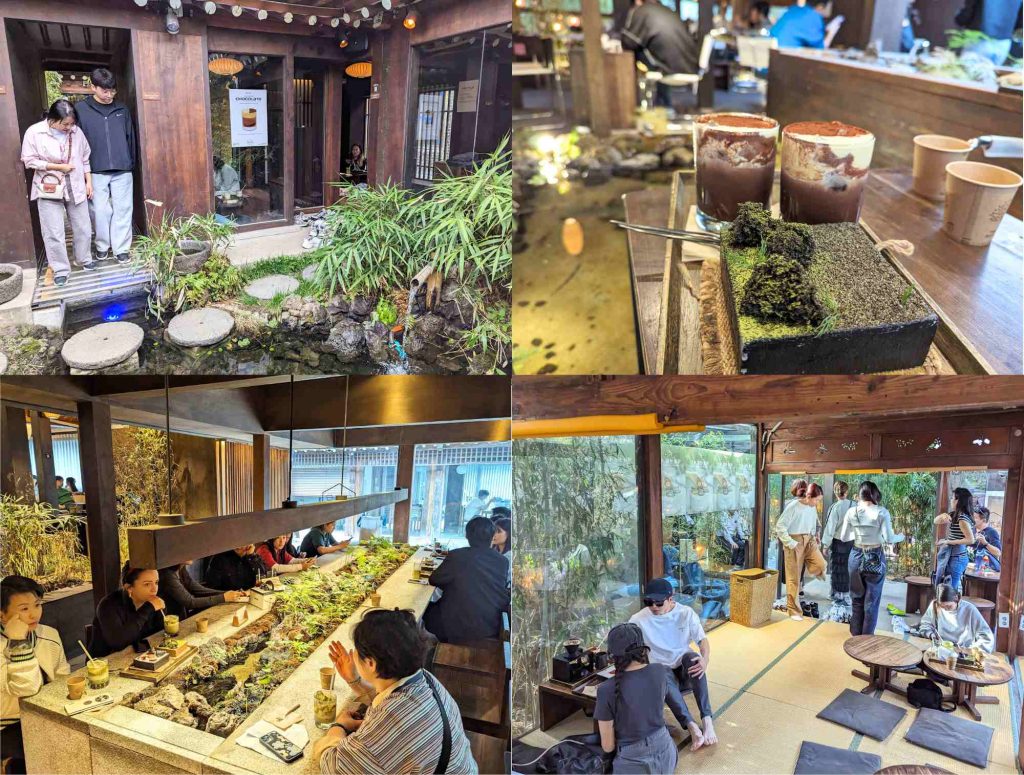
This neutrality makes cafes inclusive third spaces.
Design That Supports Third Space Use
Interior design reinforces the role of cafes as third spaces. Comfortable seating, neutral colors, and calm lighting support long stays.
The environment encourages presence rather than consumption.
Emotional Balance and Mental Rest
Cafes offer emotional balance. They provide relief from both domestic and professional demands.
Spending time in a cafe can reset focus and mood.
Cafes as Daily Anchors
Many people return to the same cafe regularly. These routines create familiarity and comfort without obligation.
Cafes become part of daily structure.
Respectful Coexistence
Shared cafe spaces rely on quiet social rules. Respect for noise, seating, and personal space allows many people to coexist peacefully.
This collective awareness sustains the third space environment.
Cafes as Modern Social Infrastructure
In South Korea, cafes serve as informal social infrastructure. They support daily life quietly and consistently.
As third spaces, cafes offer something simple but essential: a place to be.