
Korean cafe culture is built on atmosphere, routine, and design. Cafes in South Korea are not simply places to drink coffee — they are environments where people spend time, observe, work, and rest.
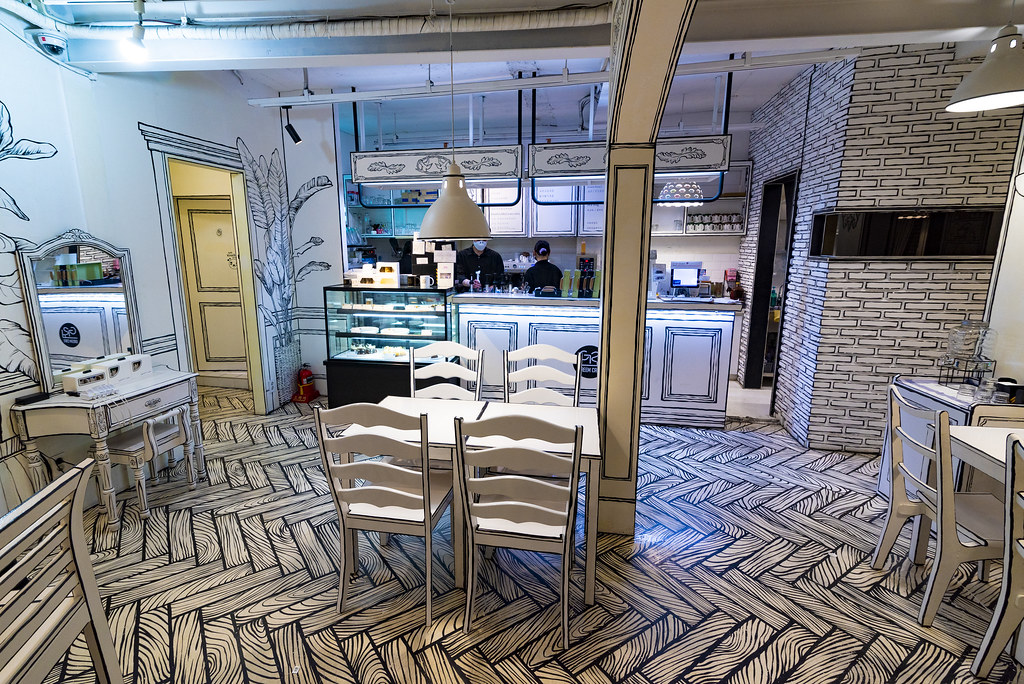
This guide explores the core elements of Korean cafe culture, from cafe types and everyday etiquette to drinks, design, and social habits.
Types of Korean Cafes
Korean cafes come in many forms, each reflecting a different mood, purpose, and design philosophy.
Minimalist Cafes
Minimalist cafes focus on simplicity and calm. Concrete walls, neutral colors, natural light, and carefully selected furniture create spaces designed for focus and quiet reflection.
Hanok Cafes
Hanok cafes are located in traditional Korean houses. These spaces preserve wooden structures, tiled roofs, and courtyards while offering modern coffee menus. They represent a balance between heritage and contemporary life.
Dessert and Bakery Cafes
Dessert cafes are central to Korean cafe culture. Many cafes specialize in cakes, pastries, and desserts that are as visually refined as they are flavorful.
Rooftop and View Cafes
Rooftop cafes and scenic cafes are popular in urban and coastal areas. These spaces emphasize views of the city, mountains, or sea, and are often destinations rather than casual stops.
Concept and Themed Cafes
Some cafes are built around a strong concept, such as art, branding, seasonal themes, or visual storytelling. These cafes focus heavily on identity and atmosphere.
Cafe Etiquette in South Korea
Understanding cafe etiquette helps visitors feel comfortable and respectful.
Most Korean cafes follow these common practices:
- Ordering at the counter before seating
- Clearing trays after finishing drinks
- Maintaining a quiet and calm atmosphere
- Limiting long laptop use in certain cafes
- Avoiding loud phone conversations
Tipping is not part of Korean cafe culture.
Coffee and Drinks in Korea
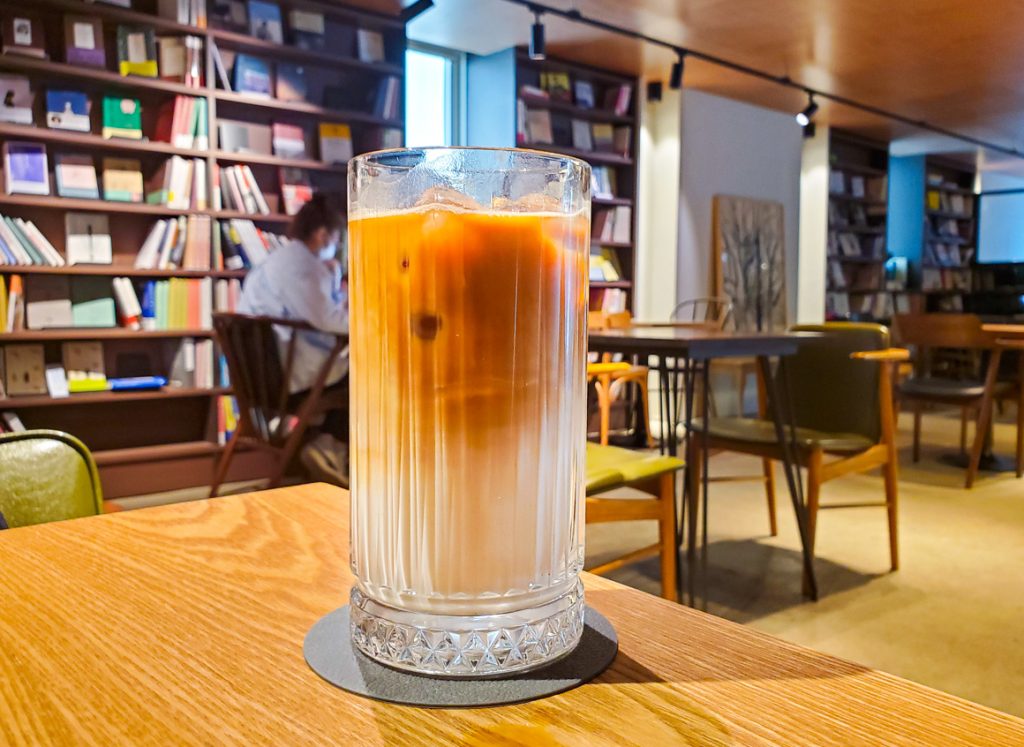
Coffee menus in Korea emphasize iced drinks year-round. The iced Americano is the most common order, even during winter.
In addition to coffee, cafes often serve:
- Signature house drinks
- Seasonal beverages
- Tea and traditional-inspired drinks
- Non-coffee options such as ade and milk-based drinks
Menus are designed to match the identity of the cafe.
Cafes as Social Spaces
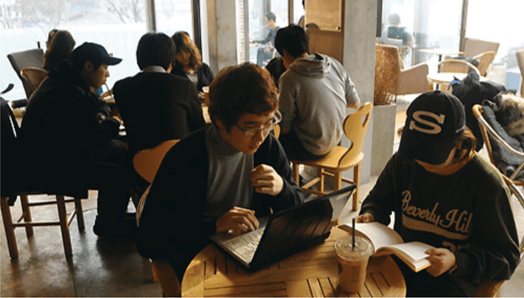
Korean cafes function as social and personal spaces. People visit alone, with friends, or in groups, often staying for extended periods.
Cafes are used for:
- Studying and remote work
- Casual meetings
- Quiet breaks during the day
- Observing everyday life
Time spent in a cafe is considered part of the experience.
Design and Atmosphere
Design plays a central role in Korean cafe culture. Interior layout, lighting, sound, and materials are carefully curated to create a specific mood.
Many cafes change their design seasonally or adjust menus and decorations to reflect time of year, making each visit feel intentional.
Experiencing Korean Cafes Thoughtfully
To fully experience Korean cafe culture, it is important to slow down and observe. Notice how people use the space, how long they stay, and how design influences behavior.
Rather than rushing from one cafe to another, spending time in a single space allows for a deeper understanding of the culture.
Explore Further
This guide connects to in-depth city cafe guides, etiquette insights, and design-focused articles.
Explore cafes by location, learn about cafe design, or read reflections from the journal to continue discovering Korean cafe culture.