
Hanok cafes represent a unique intersection between history and contemporary life in South Korea. These cafes transform traditional Korean houses into everyday spaces while preserving their original character.
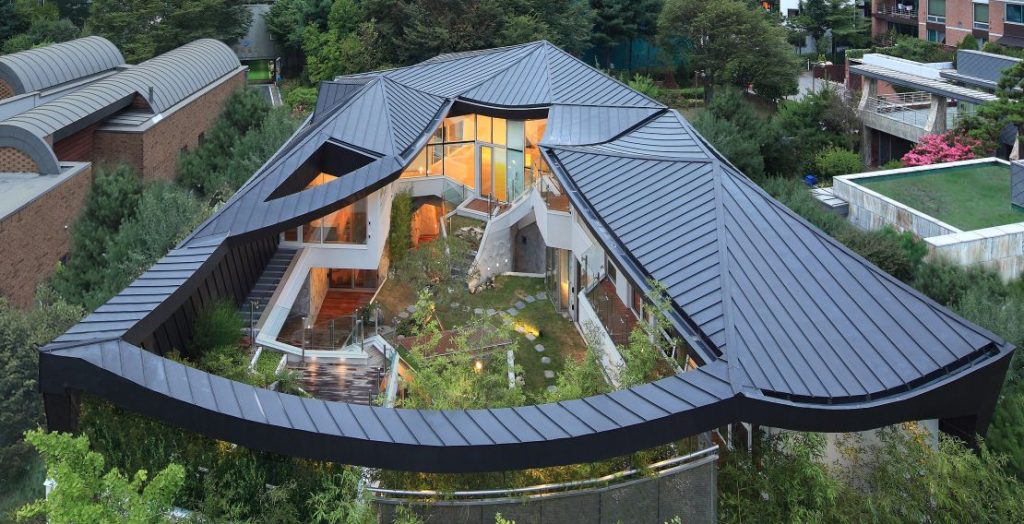
Rather than functioning as museums, hanok cafes remain active parts of modern urban culture.
What Makes Hanok Spaces Different
Hanok architecture is designed around nature, balance, and seasonal change. Wooden structures, tiled roofs, paper doors, and inner courtyards create spaces that breathe and shift with time.
These features shape how people move, sit, and interact within the space.
Adapting Tradition for Modern Life
When hanok houses become cafes, they are adapted carefully. Modern elements such as coffee equipment, lighting, and heating are added without overpowering the original structure.
The goal is to support contemporary use while respecting historical design.
Slower Rhythms in Hanok Cafes
Hanok cafes naturally encourage slower behavior. Floor seating, quiet courtyards, and soft light reduce urgency.
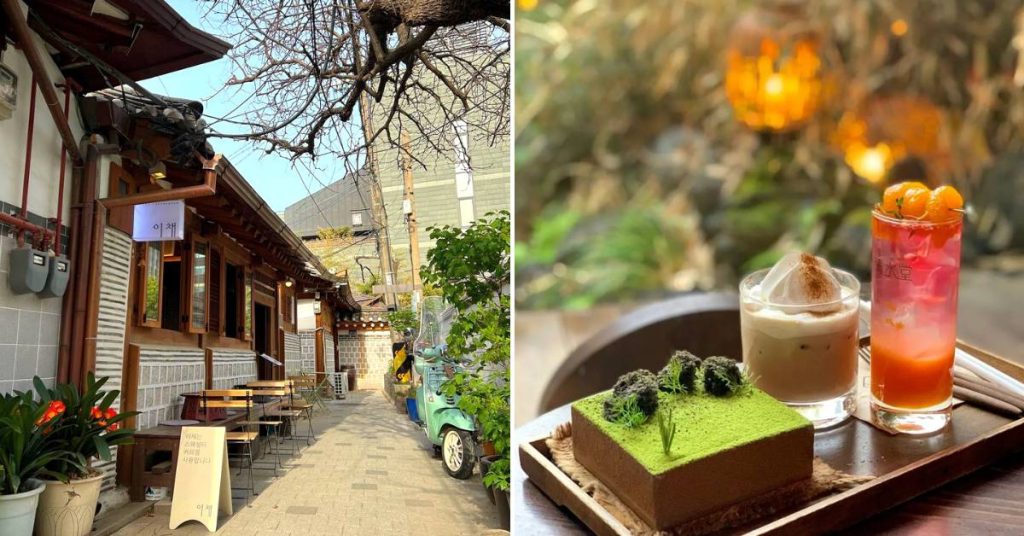
Visitors often stay longer, speak more quietly, and become more aware of their surroundings.
Design Choices That Preserve Balance
Interior design in hanok cafes is intentionally minimal. Furniture is often low and simple, allowing the architecture to remain the focal point.
Decorations are limited, and negative space is treated as an important design element.
Cultural Continuity Through Daily Use
By operating as cafes, hanok buildings remain part of everyday life. This active use helps preserve traditional spaces in a meaningful way.
Rather than separating tradition from modern routines, hanok cafes allow the two to coexist.
Modern Cafes in Historic Neighborhoods
Hanok cafes are commonly found in historic districts where traditional houses still stand. These neighborhoods gain new life as people gather for coffee and conversation.
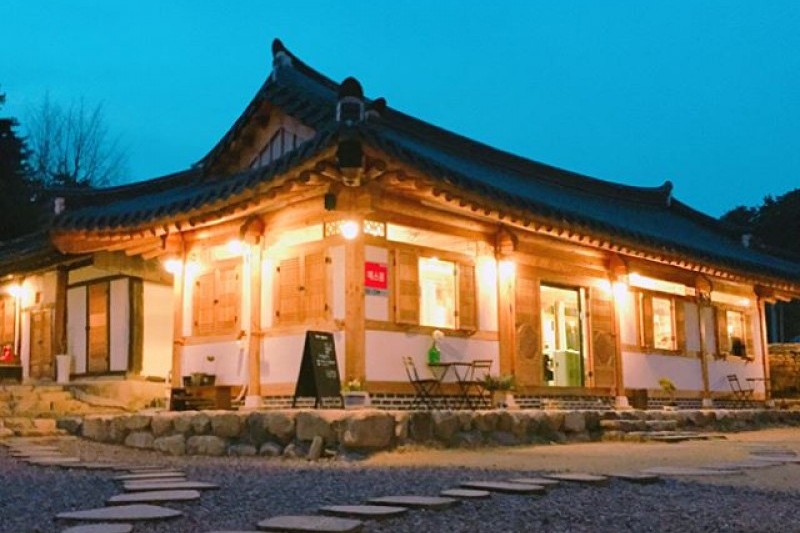
Cafes become points of connection between locals, visitors, and history.
Respecting Traditional Spaces
Visitors are expected to treat hanok cafes with care. Shoes may need to be removed in certain areas, furniture should not be moved, and noise is kept low.
These practices protect both the space and the atmosphere.
Hanok Cafes as Living Architecture
Hanok cafes show that traditional architecture does not need to be frozen in time.
By adapting these spaces for modern use, Korean cafe culture demonstrates how heritage can remain relevant, lived-in, and respected.
Tradition Within Contemporary Life
In hanok cafes, tradition is not observed from a distance. It is experienced through everyday actions — sitting, drinking coffee, and spending time.
These spaces remind visitors that the past can exist comfortably within the present.