
Korean cafes are often described as minimal, quiet, and carefully designed. However, simplicity in these spaces is not a trend or an aesthetic choice alone. It is a deliberate approach to shaping emotion, behavior, and experience.
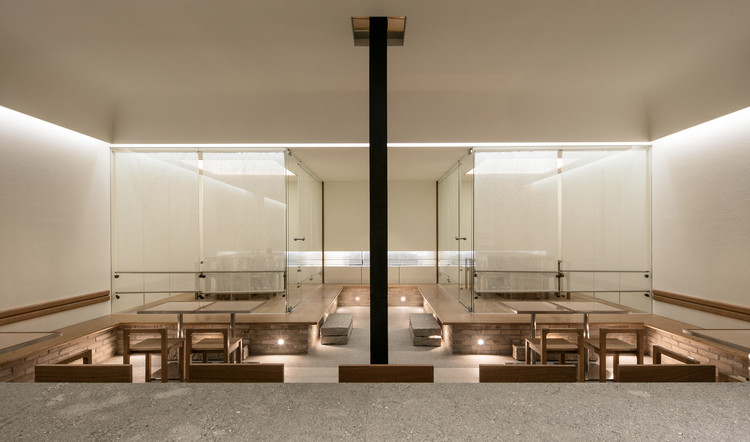
Through restraint, Korean cafes create calm environments that support everyday life.
Simplicity as Intention
In Korean cafe design, simplicity begins with intention. Every element serves a purpose, and unnecessary features are removed.
This intentional restraint allows visitors to focus on presence rather than stimulation.
Fewer Objects, Clearer Space
Minimal interiors reduce visual clutter. Open walls, limited color palettes, and carefully placed furniture create clarity.
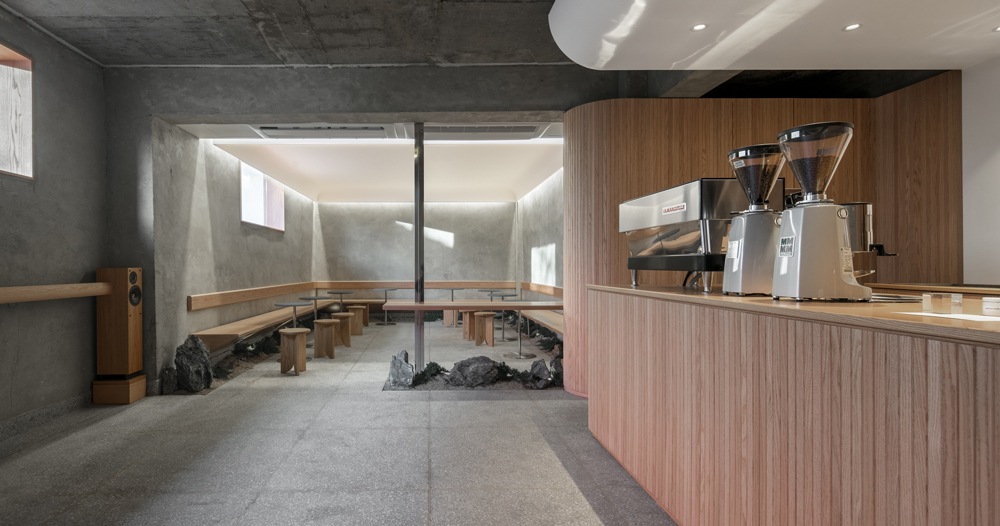
Clear space helps the mind slow down and encourages quiet awareness.
Neutral Colors and Emotional Balance
Soft neutrals such as beige, gray, wood tones, and white dominate many Korean cafes.
These colors reduce emotional intensity and support calm, steady moods.
Light as a Soft Guide
Natural light plays a key role in designing calm. Large windows and simple treatments allow light to shift naturally.
This subtle movement reminds visitors of time without creating urgency.
Texture Over Decoration
Rather than decorative objects, Korean cafes rely on texture. Wood grain, stone surfaces, fabric seating, and concrete walls provide visual interest.
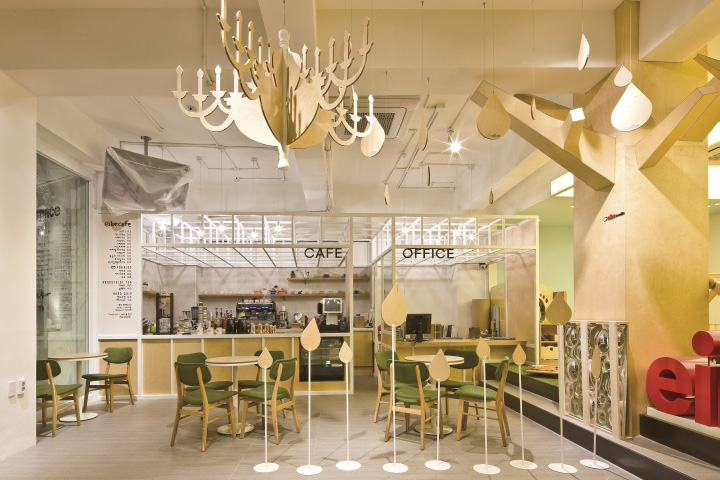
Texture adds warmth without distraction.
Sound Control and Quiet Behavior
Calm design influences sound. Soft materials absorb noise, and music remains subtle.
Visitors naturally lower their voices, reinforcing the peaceful atmosphere.
Furniture That Encourages Balance
Seating is designed to support comfort without excess relaxation. Chairs allow long stays while maintaining posture.
This balance supports both focus and rest.
Negative Space as Design
Empty space is treated as an active element. Negative space allows the eye to rest and gives importance to what remains.
This approach creates visual rhythm and emotional ease.
Simplicity as Respect
Simplicity reflects respect for visitors. It does not demand attention or impose identity.
Instead, it allows people to exist comfortably within the space.
Lessons Beyond Cafes
Korean cafes show that calm does not require complexity. Through thoughtful simplicity, spaces can support well-being and clarity.
Designing calm is not about adding more — it is about knowing what to leave out.